







Overload control at highway entrances
 |
System Introduction |
While the implementation of weight-based toll collection on highways has curbed serious overloading, this model fails to prevent damage caused by overloaded vehicles. Overloaded freight transport puts highways in a vicious cycle of "construction, destruction, and repair," severely impacting public travel. Enforcing weight control at highway entrances is the most effective way to protect highways. Due to the high traffic volume on highways, establishing overload detection stations or deploying personnel to intercept and inspect vehicles poses significant safety hazards. Exit detection methods are ineffective in protecting the road and fail to achieve the goal of weight control. Therefore, implementing weight control at highway entrances—by weighing freight vehicles at entrances and turning back overloaded vehicles—is an effective measure that aligns with the actual situation of highways. It is crucial for safeguarding safety, ensuring the safety of highway structures and the operating environment, and protecting the rights of highway investors and users.
| |
Construction Plan |
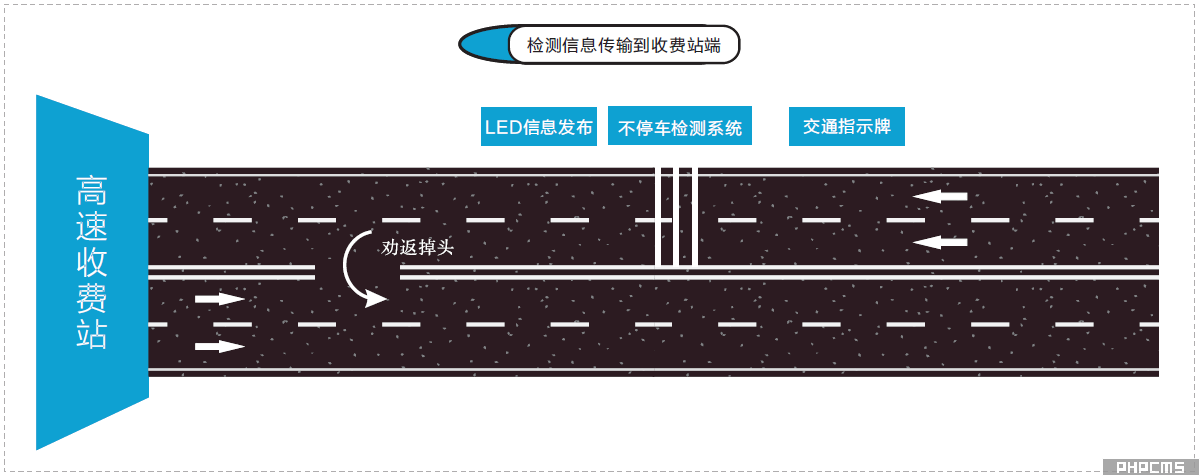
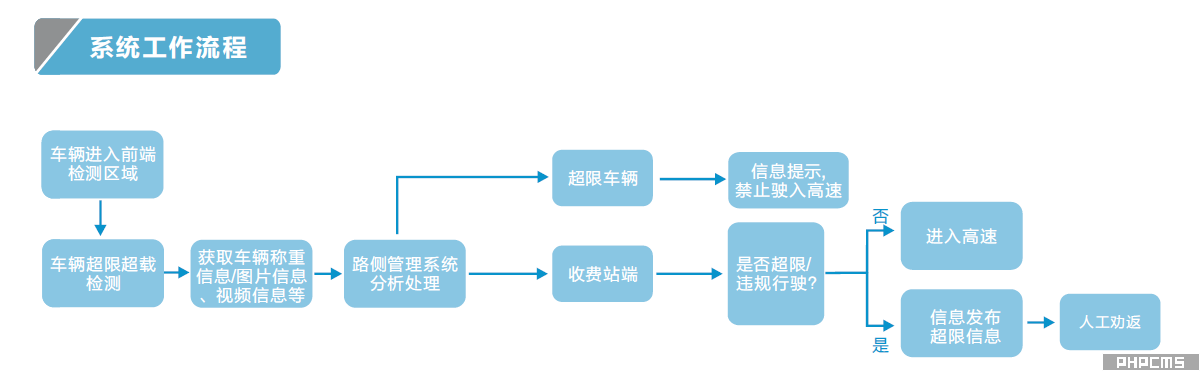
A non-stop overload detection system for freight vehicles is being built at the highway entrance to achieve non-stop dynamic weighing, vehicle outline detection, monitoring and capture, and video surveillance of freight vehicles passing through key sections of the highway entrance, effectively protecting road safety and the safety of people's lives and property. The front-end system performs non-interference, non-stop rapid detection as vehicles pass through, automatically identifying vehicle outline information, number of axles, total weight, speed, license plate number, and providing high-definition images of the front, side, and rear of the vehicle. Data processing software ensures accurate matching between highway weighing data and license plate recognition data. Simultaneously, information on overloaded vehicles is disseminated, warning overloaded vehicles against entering the highway, effectively reducing traffic pressure at the entrance. All vehicles are monitored and recorded throughout their passage through the detection area. Combined with captured images and weighing information, evidence of violations is collected and transmitted to the toll station. The toll station receives overloaded vehicle information in real time and takes corresponding measures, prohibiting overloaded vehicles from entering the highway, while law enforcement personnel advise them to turn back, achieving the goal of controlling overloaded vehicles.
|
|
System Characteristics |
1. The entrance overload control and turn-back system's front-end non-stop detection system uses high-precision weighing sensors, featuring high accuracy and strong stability, thus avoiding disputes.
2. The front-end non-stop detection system has a vehicle outline detection function, which can automatically measure the vehicle's length, width, and height and match it with license plate information to prevent oversized, overheight, and overlength vehicles from entering the highway.
3. It has a license plate recognition function, which can automatically identify vehicle information and match the license plate information with the vehicle's outline and total weight information.
4. It has an information dissemination function, which can publish information about oversized vehicles to LED information boards, reminding oversized vehicles that are prohibited from entering the highway.
5. It has a secondary detection function; the toll station turn-back management system can automatically compare and analyze the license plate information of vehicles entering the station, and if oversized vehicles are found to be entering, law enforcement officers will manually turn them back.
